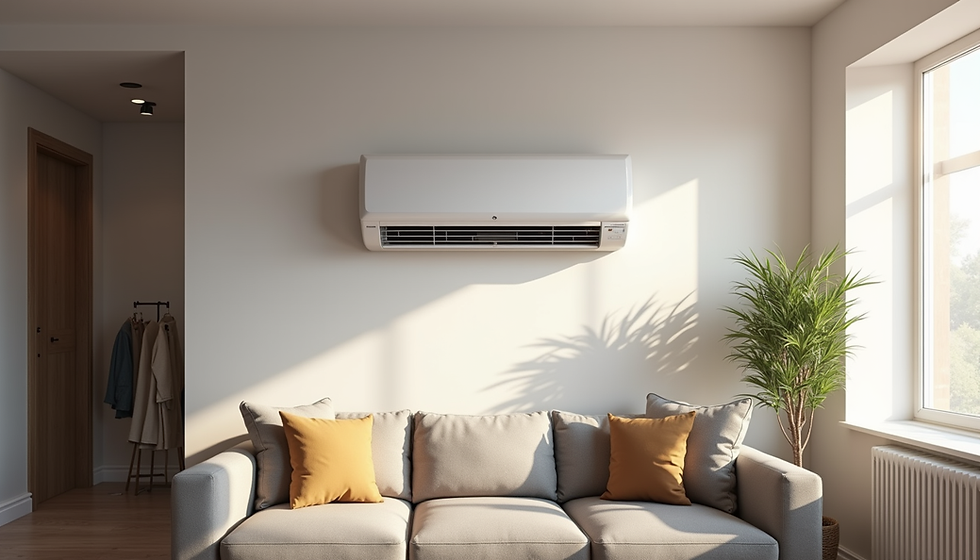
Maximising Comfort and Savings: How Air Conditioning Tackles Damp and Reduces Carbon Footprint in Greater Manchester

Homes and businesses in Greater Manchester, Tameside, Oldham, and across the North West UK face common challenges like damp, mould, and condensation. These issues not only affect comfort but also health and energy costs. At the same time, rising energy prices during the cost of living crisis make it essential to find solutions that keep homes and businesses comfortable while lowering bills and carbon emissions. Air conditioning offers a practical way to address these problems, improving indoor air quality and energy efficiency.
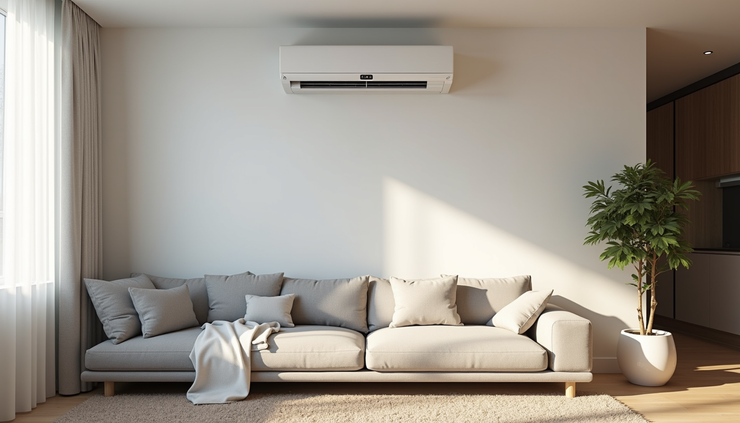
How Damp, Mould, and Condensation Affect Homes and Businesses in the North West
Damp and mould thrive in environments where moisture builds up, often due to poor ventilation and cold surfaces. Condensation forms when warm, moist air meets cooler walls or windows, creating water droplets that encourage mould growth. In Greater Manchester’s often damp climate, this problem is widespread, especially in older properties common in Tameside and Oldham.
The consequences include:
Damage to walls, ceilings, and furniture
Unpleasant musty smells
Increased risk of respiratory problems and allergies
Higher heating costs as damp walls lose heat faster
Traditional methods like opening windows or using dehumidifiers help but are not always effective or practical, especially during cold or wet weather.
How Air Conditioning Helps Control Moisture and Improve Comfort
Modern air conditioning systems do more than cool air. Many units also have heating and dehumidifying functions, which help reduce indoor humidity levels and prevent condensation. By maintaining a steady temperature and controlling moisture, air conditioning can:
Reduce damp and mould growth by lowering humidity
Prevent condensation on walls and windows
Improve overall air quality by filtering dust and allergens
Provide consistent comfort year-round with heating and cooling
For example, a homeowner in Oldham reported that installing an air conditioning system cut down mould spots in their living room within weeks, while also making the space warmer and more comfortable during winter.
Energy Efficiency and Lower Bills During the Cost of Living Crisis
Energy efficiency is a major concern for households and businesses in Greater Manchester facing rising energy prices. Both domestic and commercial air conditioning systems use electricity more efficiently than traditional electric heaters or gas boilers. This means:
Cheaper energy bills by using less power to heat or cool rooms
Reduced reliance on fossil fuels, lowering carbon emissions
Potential eligibility for government grants or incentives for energy-efficient upgrades

Practical Tips for Using Air Conditioning to Tackle Damp and Save Energy
To get the most from domestic air conditioning in tackling damp and cutting costs, consider these tips:
Choose a system with a dehumidifying function to control moisture effectively
Use programmable thermostats to maintain steady temperatures without wasting energy
Seal drafts and insulate walls to reduce heat loss and condensation risks
Regularly clean filters and schedule maintenance to keep the system efficient
Combine air conditioning with good ventilation practices, such as extractor fans in kitchens and bathrooms
SAS Air Conditioning Services can advise on the best system for your home size and layout, ensuring maximum comfort and savings.
Environmental Benefits of Air Conditioning in the North West
Switching to modern air conditioning systems helps reduce the carbon footprint of homes in Greater Manchester. By using electricity efficiently and cutting the need for gas heating, these systems lower greenhouse gas emissions. This supports UK-wide goals to reduce carbon output and combat climate change.
This makes air conditioning not only a comfort upgrade but also an environmentally responsible choice.

Final Thoughts on Air Conditioning for Health, Comfort, and Savings
Domestic air conditioning offers a practical solution for homes in Greater Manchester and the North West facing damp, mould, and condensation. It improves indoor air quality, reduces moisture problems, and provides year-round comfort. At the same time, energy-efficient systems help lower bills during the cost of living crisis and reduce carbon emissions.
Homeowners looking to improve their living environment while saving money should explore modern air conditioning options. SAS Air Conditioning Services can help find the right system tailored to your home or business needs, ensuring a healthier, more comfortable space with lower energy costs. Contact us today for a free quote.